
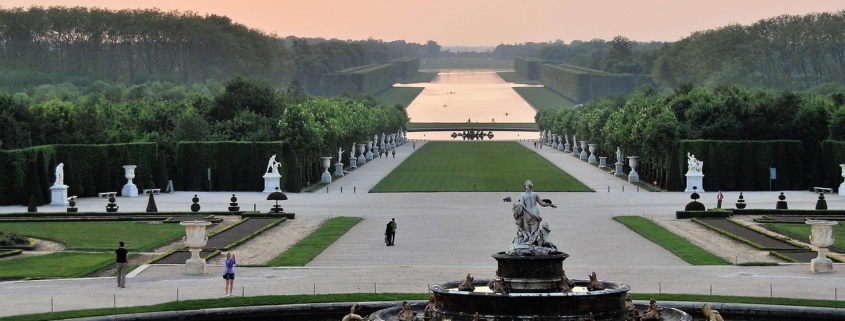
Versailles (Parc et château de Versailles) is not just a palace, but an entire city built specifically for the royal court. Louis XIV wanted something so luxurious that no one could rival him in wealth and beauty. Today, you can witness the scale of this king’s ambition in the suburbs of Paris. To visit Versailles on your own, you can book tickets at this link, and here you can find tickets with a transfer from Paris. In this article, you’ll find all the information about ticket types, the palace, how the fountains operate, and the best times to visit to see everything in action.
» READ MORE – The Gardens of Versailles without boring lectures: a walk with an audio guide from TouringBee
How to buy tickets to Versailles?
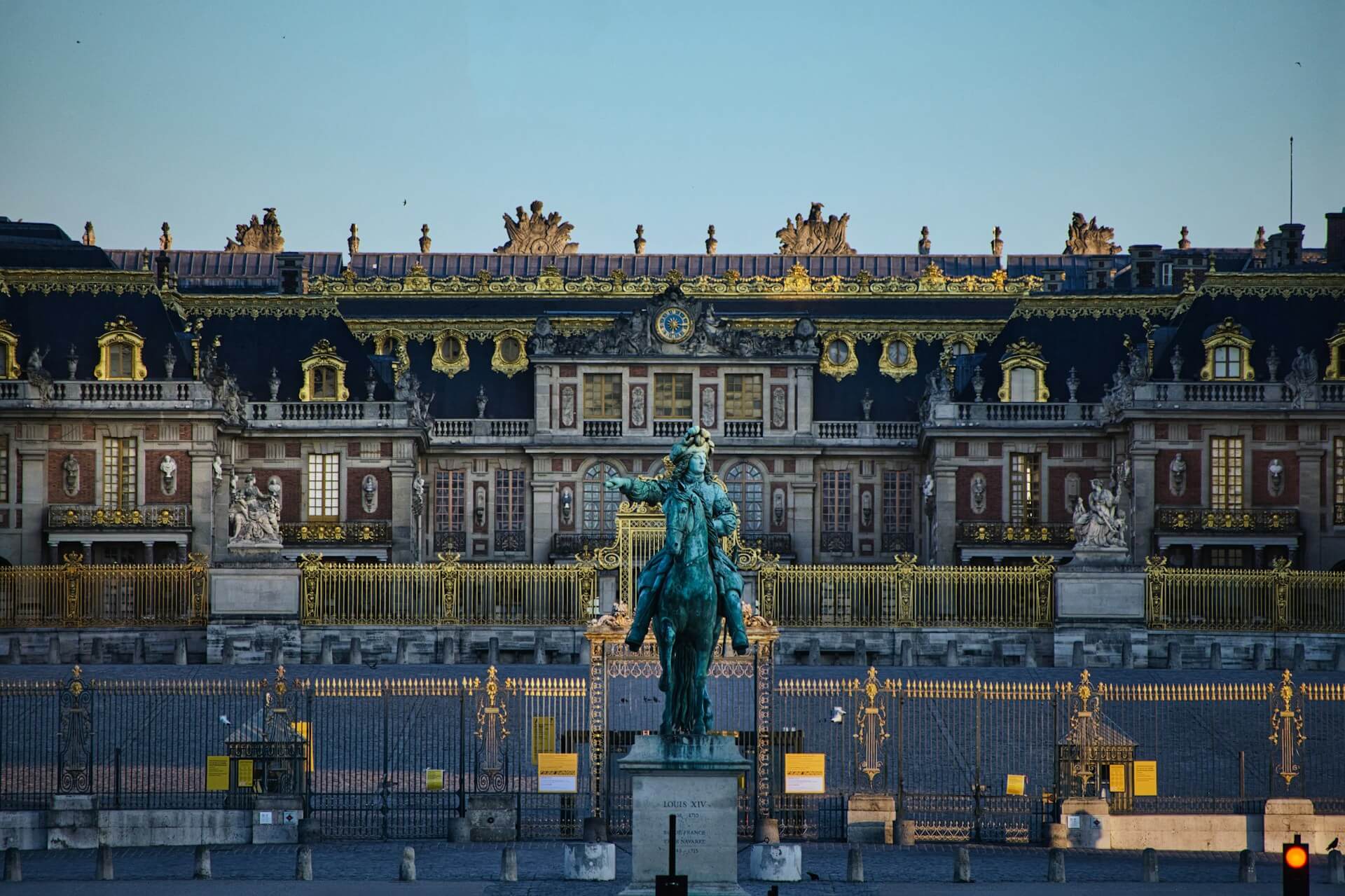
- A ticket to the palace for adults costs €21. Children under 18 and EU students under 26 can enter free of charge
To enter the palace, you must book a visit time in advance, which means tickets must be purchased online. If you’re bringing a child, you’ll still need to reserve their free ticket in advance.
Entrance to the gardens on weekdays – when the fountains are not working – is free for everyone. Every visitor can download the palace app with an audio guide completely free of charge.
On weekdays without fountain shows, access to the gardens is free for all. To enrich your experience, we recommend using an audio guide – for example, our garden route. You can also download the official palace app.
Access to specific buildings in the park and entrance to the gardens during musical and fountain events require an additional ticket. You can purchase a ticket that includes the specific entertainment programme you’re interested in. Garden-only tickets cost €11 and are available at the palace ticket office, but queues in summer can be very long. Also, note that cash is not accepted—only cards and vouchers.
To avoid queues and the risk of being turned away due to capacity limits, buy your tickets online in advance. We’ll be happy to assist you with that. Ticket options are listed below.
» READ MORE – What to see in Paris: 33 best tourist attractions
Simple ticket to Versailles
This ticket includes entry to the Palace of Versailles on a specific day and time, as well as all free services such as the audio guide and weekday access to the gardens.
Versailles: tickets with admission to the musical gardens and fountains
Many travellers come to Versailles specifically to see the fountains rather than the palace itself. But it’s important to know that the fountains don’t operate continuously or even daily. All fountains are guaranteed to operate on weekends, on Mondays in July and August, and on Mondays and Wednesdays in September and October. You can find the exact schedule on the official website and in the app.
This ticket includes access to the palace and the Trianon estate, entry to the gardens, and an audio guide (note: it does not include the evening show). Select your visit date in the calendar below:
Versailles: show tickets
Les Grandes Eaux Nocturnes night-time light and music show
The highlight of Versailles is the spectacular evening light and music show, complete with fireworks and fountains. This event is held once a week, only on Saturdays at 8:30 p.m. during the summer season. In 2025, the show will be held on:
- Every Saturday from 7 June to 20 September
- 14 July – special performance for Bastille Day
- 15 August – «Night Fountains with Fire»
- 20 September – «Electronic Night Fountains»
Map of Versailles
Versailles is a vast complex. Running around in search of a toilet or café is not ideal. Before your visit, download the free app from the official website. The app includes a map that shows all toilets, baby changing facilities, internet access points, phone charging stations, cafeterias, restaurants, picnic zones, parking, luggage storage, and souvenir shops. It’s extremely practical!
Who built Versailles and when?
Versailles began as a small village in the suburbs of Paris. In the 17th century, the land was granted to King Louis XIII (yes, the one from The Three Musketeers). He liked the local forests and commissioned a modest hunting lodge, measuring only 6 by 24 metres.
His son, Louis XIV – the Sun King – disliked Paris and its unruly citizens. He chose Versailles for his main residence, envisioning a palace that would reflect the full power, splendour, and wealth of both himself and France. After all, it was Louis XIV who famously said, «I am the state.»
There was ample space for construction, far enough from Paris that the king believed revolutionaries would never reach it (history proved otherwise).
Architect Louis Le Vau and artist Charles Le Brun were commissioned for the palace. André Le Nôtre designed the gardens. The king’s vision succeeded: Versailles became the most luxurious palace in Paris, widely copied by monarchs ever since.
Construction began in 1623 (initially as a hunting lodge), and the royal court relocated there in 1682.
What is Versailles famous for and what is there to see?
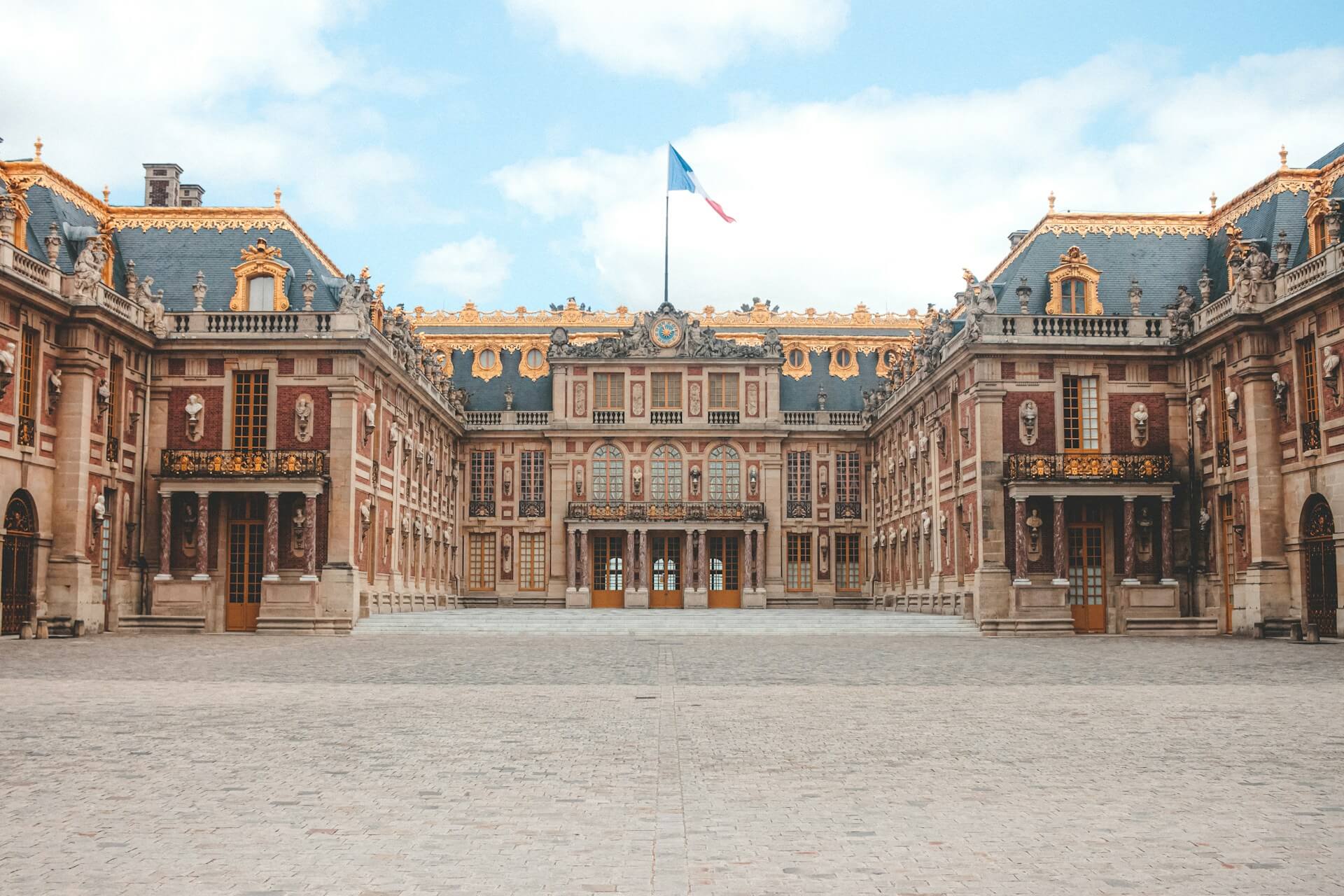
The palace complex includes several distinct areas: multiple palaces, an enormous park, and, of course, the famous fountains. One of the palaces has even been turned into a hotel where guests can stay overnight.
The Royal Palace of Versailles
The principal residence of the French kings, this magnificent structure embodied the dreams and extravagance of Louis XIV.
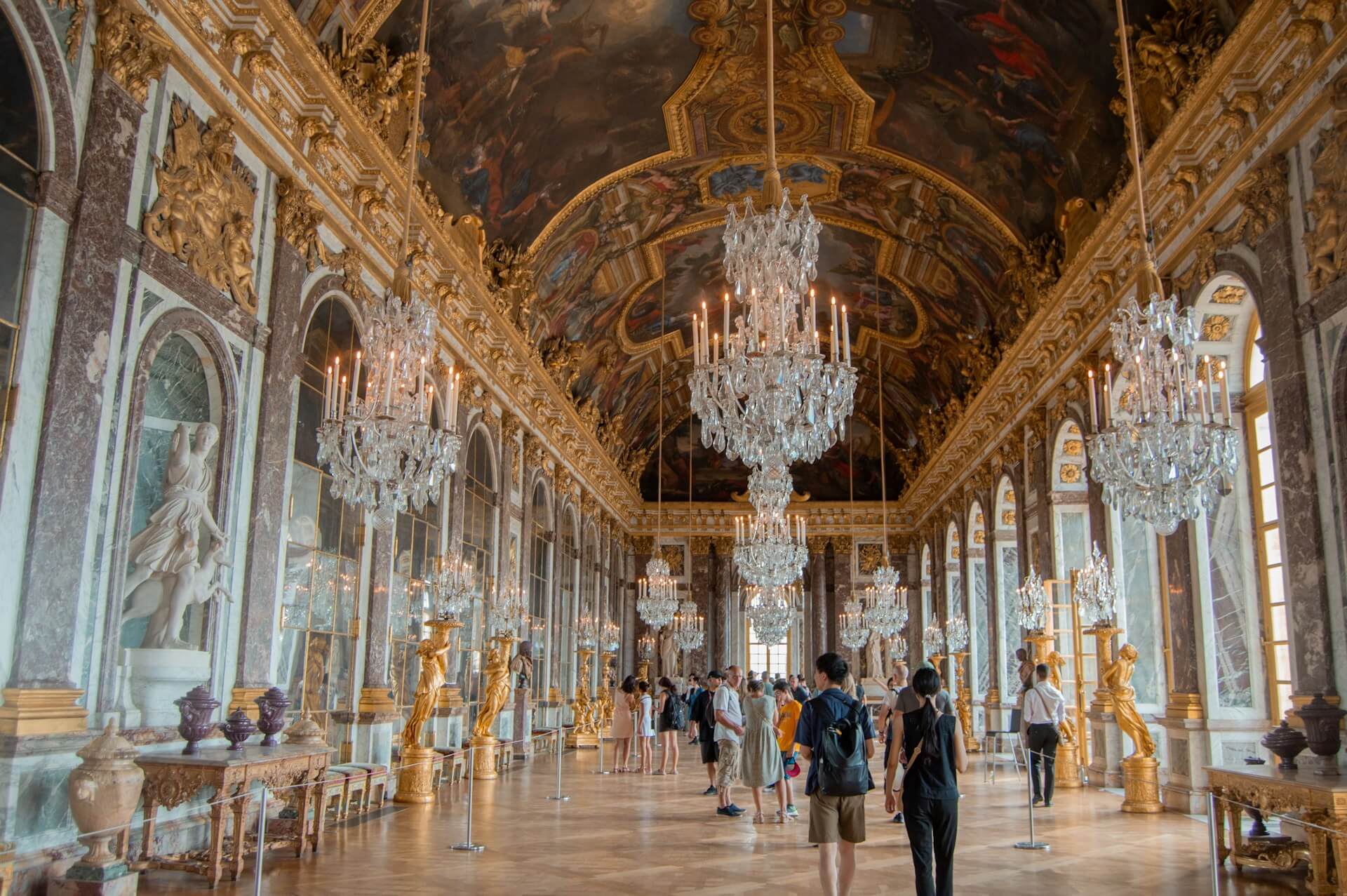
The Hall of Mirrors at Versailles
If Versailles is luxurious, then the Hall of Mirrors is its epitome. It was designed to impress and glorify the king. This is where rituals and receptions took place, and foreign dignitaries were received.
The space exudes opulence: gold, silver, statues, silk – even orange trees once stood here. Ceiling paintings recount the king’s triumphs: victorious battles, conquered fortresses, and favourable treaties.
Almost 400 mirrors decorate the gallery – a great rarity in the 17th century. The room’s design uses the mirrors to reflect columns, artwork, and tall windows, creating endless perspective and a feeling of openness and light.
Other impressive areas include the Gallery of Battles and the Chapel, equally opulent. And, of course, the king’s personal chamber sits at the very heart of the palace.
Your entrance ticket includes an audio guide. See here. However, the official guide can be somewhat dry – informative but not very engaging. We recommend booking a guided tour for a richer experience.
The Grand and Petit Trianon
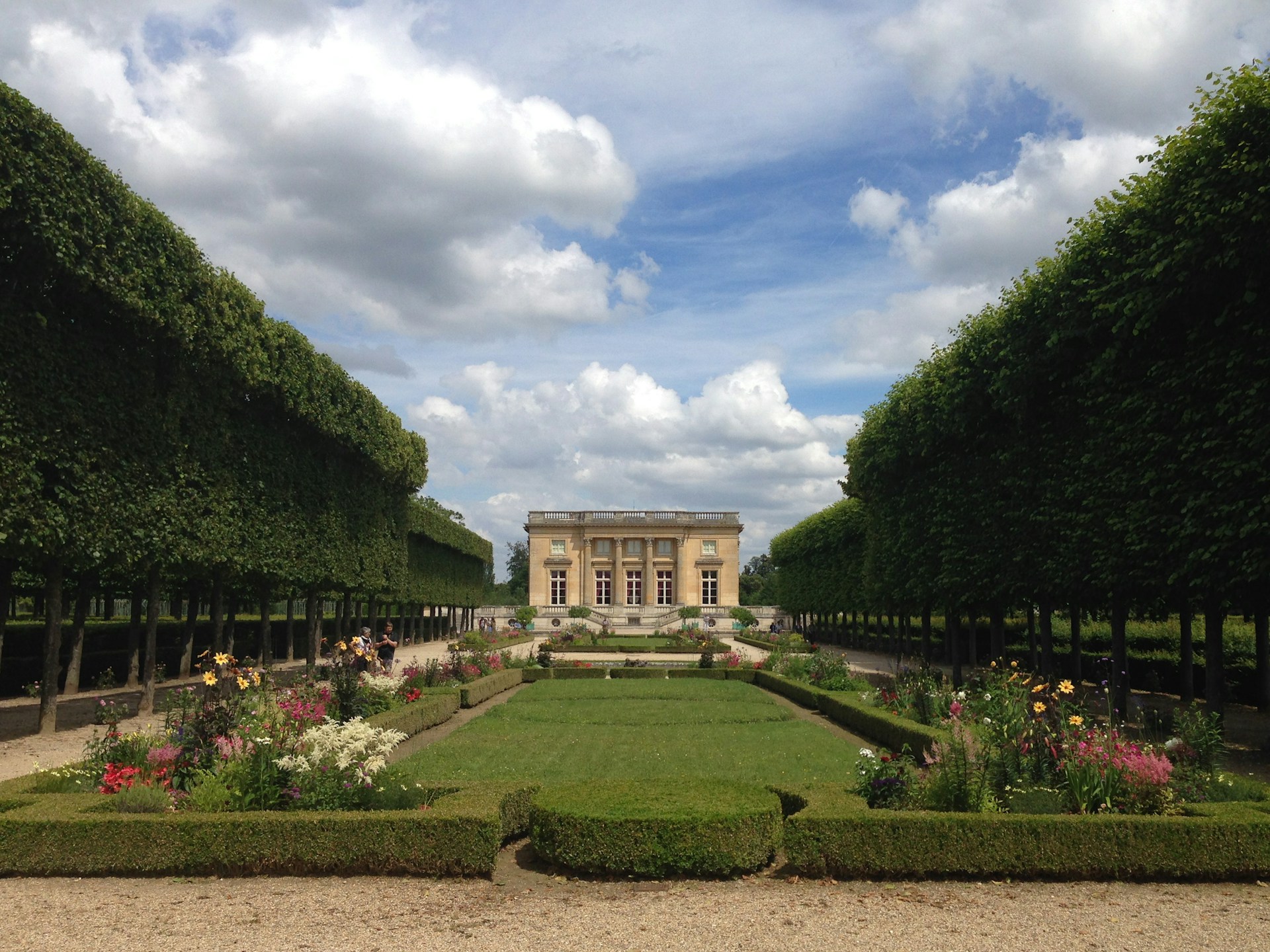
The Grand and Petit Trianon palaces differ in style. The Grand Trianon, where the king resided, is neoclassical. His wife’s apartments are elegant and refined. Both palaces were designed for rest, private meetings, hunting, and various royal diversions.
The Petit Trianon is more feminine, in Rococo style. It was used by the Marquise de Pompadour and later Marie Antoinette as a retreat. The décor is cosy and intimate rather than extravagant.
Marie Antoinette’s village or the royal village
To escape the rigid formalities of court life, Marie Antoinette requested a private sanctuary within Versailles. The result was the royal village.
Gone were the rigidly symmetrical gardens – naturalism had come into vogue.
It resembled a royal countryside retreat or even a theme park. Here, Marie Antoinette could pretend to live a simple village life, socialising and dining only with close friends.
Of course, it was far from a real village. Everything was luxurious and expensive, yet not mere decoration. Real servants worked there, producing actual food. There were even dedicated rat and mole catchers to preserve perfection.
You can still visit the village today with a general Versailles ticket. Don’t limit yourself to the palace and its fountains – this quiet spot is among the most charming parts of the royal estate.
How many fountains are there in Versailles: the palace gardens
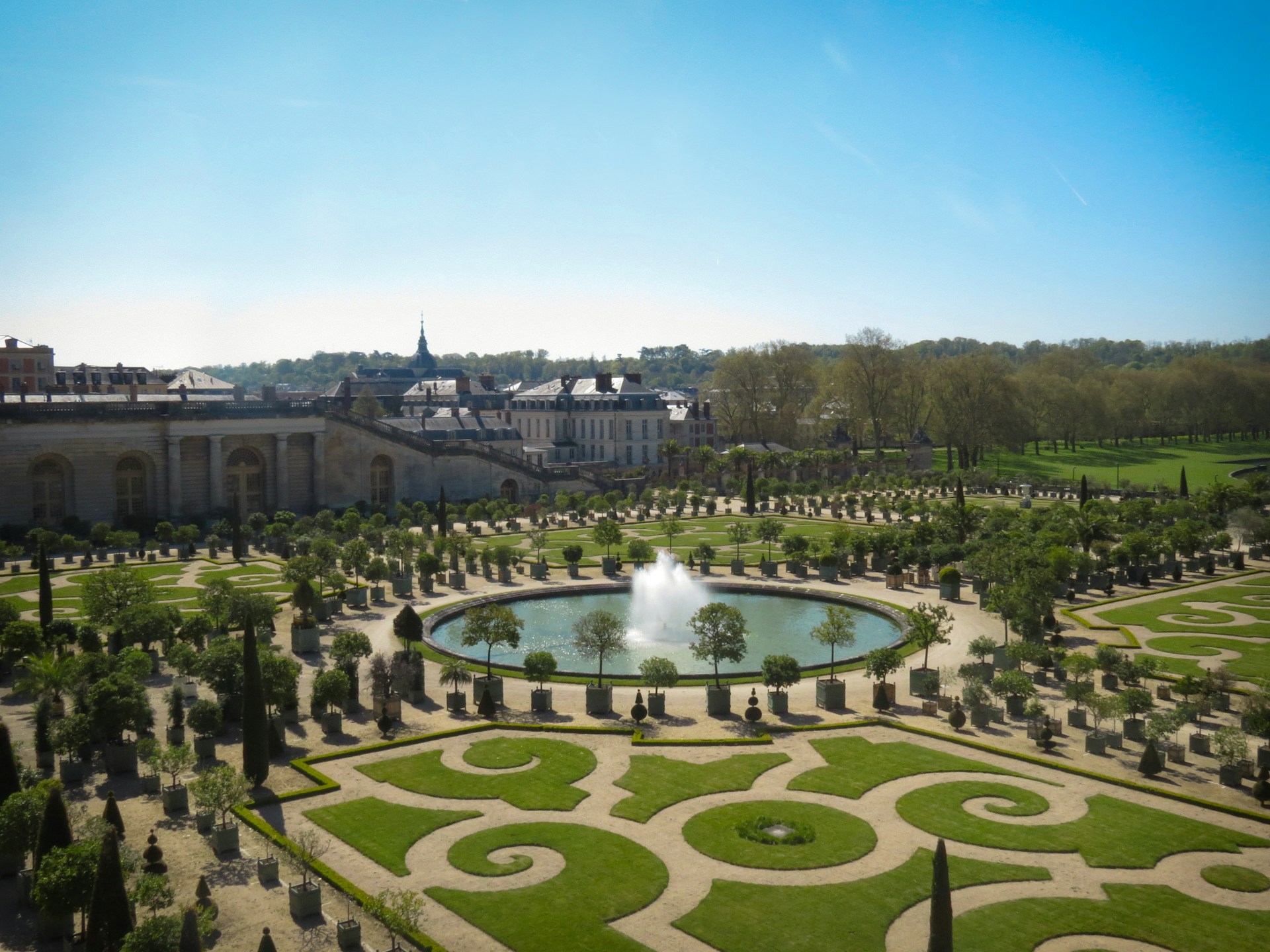
Versailles was originally planned to feature 2,000 fountains. Today, around 1,700 are operational, with about 50 major fountains.
The fountains are an engineering marvel, especially considering they were built without electricity in a dry area lacking major rivers. Engineers used a combination of water wheels, reservoirs, canals, and pumps, with systems spanning kilometres.
One reservoir was even placed atop the palace roof, and over 30 km of underground pipes crisscross the park.
The gardens and park – designed by André Le Nôtre – feature the Temple of Love, Empress’s Theatre, Belvedere, a grotto, and more. Expect hundreds of fountains, sculptures, flowerbeds, and tree-lined avenues.
How big is Versailles?
The palace covers 63,000 square metres – not the largest in the world, but certainly one of the most impressive.
Local guides offer a wide variety of tours through the remarkable Versailles estate. See all guided tour options on the website.
Versailles opening hours
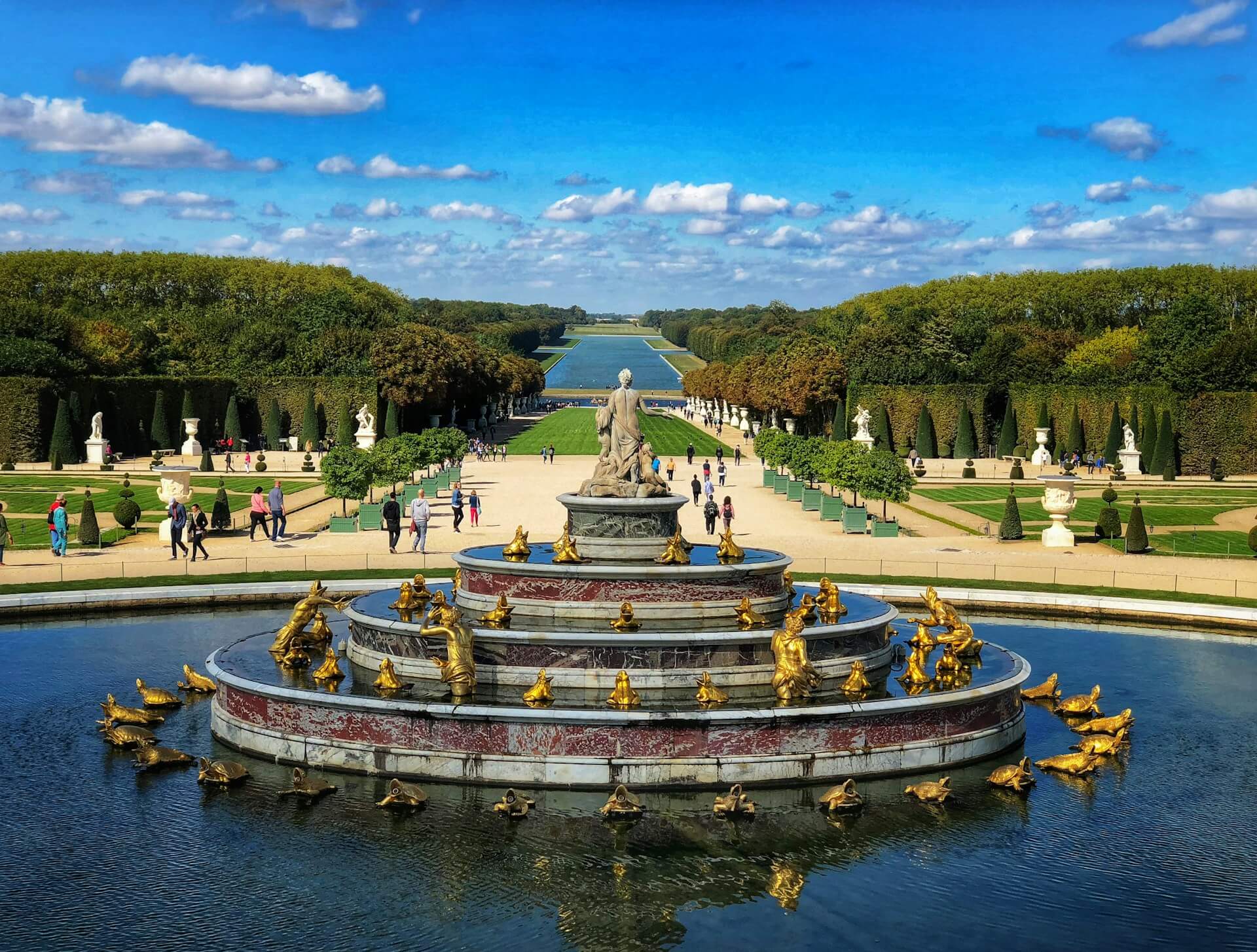
When are the fountains in Versailles working?
Visitors are often surprised to learn the fountains do not run year-round.
Important:
- Fountains do not operate from 1 November to 31 March
- Fountains are off on Mondays
- On working days, fountains operate in short bursts – usually 5–7 minutes every 15–30 minutes
- Some stop running after lunch
Check the exact fountain schedule on the official Versailles website and download the palace app.
The most complete shows take place on Saturdays and Sundays. The evening fireworks show is held only on Saturdays.
Not all tickets include access to the fountains. For the appropriate ticket, see this link.
How to get from Paris to Versailles?
There are several ways to reach Versailles from Paris.
- RER C suburban train: Go to Versailles Château Rive Gauche. Travel cards covering zone 5 are valid
- Bus: From Pont de Sevres metro station (line 9), take bus 171 to Place d’Armes Versailles. Tickets cost €2.50. Buses run every 15 minutes from 5:30 a.m. (6:30 a.m. Sundays) to 1:00 a.m.
- TER electric train: Departures from Saint-Lazare and Gare Montparnasse
- Avoid the hassle of organising transport by booking a ticket to Versailles with a comfortable, air-conditioned bus transfer. Find the offer at this link
- Prefer not to use public transport? Book a taxi transfer in advance versailles?pap=52bda1f3db8f0″>using this link
- Travelling by car? Take the A13 motorway. To compare car options and prices, click here. Paid parking is available at the Grand and Petit Trianon, on Place d’Armes, and on Allée de Bailly
- Better yet, stay in the town of Versailles itself — hotels are available in various categories, from mid-range to high-end
Enjoy your visit to Versailles!
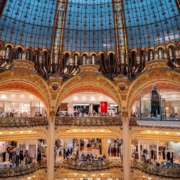 Sung Jin Cho / Unsplash
 cmophoto.net / unplash


Leave a Reply
Want to join the discussion?Feel free to contribute!